

Benefits Of Cistanche: Prevention And Treatment Of Alzheimer's Disease
Mar 06, 2023
Alzheimer's disease (AD) is a neurodegenerative disorder characterized by progressive memory loss, cognitive decline, and behavioral changes. It is the most common type of dementia, accounting for around 60 to 80 percent of all dementia cases, with the majority of people affected being 65 years old or older (Alzheimer's Association, 2021). In this essay, we will explore the reasons why older people get Alzheimer's disease, the causes, and signs of the disease, the bad habits that can lead to it, how to prevent it, and how Cistanche can help manage and prevent it.
Click to Cistanche herba for Alzheimer's disease
Why Do Older People Get Alzheimer's Disease?
Age is the most significant risk factor for developing Alzheimer's disease. As people age, their brain cells begin to die, and the brain shrinks. This process can result in cognitive impairment, including difficulties with memory, judgment, and reasoning (NIA, 2021). The mechanisms behind Alzheimer's disease are not fully understood but involve a combination of genetic, environmental, and lifestyle factors. Research suggests that the accumulation of abnormal protein deposits in the brain, such as amyloid and tau proteins, can cause brain cells to malfunction and die, leading to Alzheimer's disease (Alzheimer's Association, 2021).
What Are the Causes of Alzheimer's Disease?
The exact cause of Alzheimer's disease is unclear, but several factors are believed to be involved, including genetics, environmental factors, and lifestyle choices. For instance, genetics is a significant factor in Alzheimer's disease, and individuals who have a family history of the condition are at increased risk of developing it. Studies indicate that genes such as Apolipoprotein E (APOE) increase the risk of developing Alzheimer's disease (Shutinoski et al., 2019).

Environmental factors such as pollution, drug abuse, and head injury can also play a role in the development of Alzheimer's disease. Chronic exposure to environmental pollutants such as lead, aluminum, and mercury can lead to the accumulation of heavy metals in the brain, which can cause inflammation, oxidative stress, and neuronal damage, leading to AD (Boltin et al., 2021). Additionally, traumatic brain injury has been shown to increase the risk of developing Alzheimer's disease (Debette et al., 2019).
What Are the Signs that the Elderly are About to Develop Alzheimer's Disease?
In the early stages of Alzheimer's disease, people may experience mild memory loss and have difficulty in completing familiar tasks. They may also struggle with word finding, misplace things, have changes in mood and personality, and struggle with decision-making (Mayo Clinic, 2021). As the disease progresses, individuals may have difficulty with language, experience changes in behavior, and have increased confusion and disorientation (Alzheimer's Association, 2021).
Bad Habits in Life That Can Lead to Alzheimer's Disease in the Elderly
Several lifestyle choices can increase the risk of developing Alzheimer's disease in the elderly. For example, a sedentary lifestyle, poor diet, and smoking have all been identified as risk factors. Studies show that regular physical activity can reduce the risk of cognitive decline and delay the onset of Alzheimer's disease (Liu et al., 2020). Additionally, following a healthy diet, such as the Mediterranean diet, which includes fruits, vegetables, whole grains, fish, and healthy fats, can improve brain function and reduce the risk of Alzheimer's disease (Lourida et al., 2019). Smoking has also been shown to increase the risk of Alzheimer's disease, as it causes oxidative stress and inflammation, which can damage brain cells (Gudala et al., 2015).

How to Prevent Alzheimer's Disease
There is currently no cure for Alzheimer's disease, but research suggests that several lifestyle changes can reduce the risk of developing the disease or slow its progression. Some strategies that may be helpful include exercising regularly, eating a healthy diet, staying mentally active, and managing chronic health conditions (Mayo Clinic, 2021). Additionally, engaging in activities that reduce stress, such as yoga, meditation or tai chi, can also promote brain health and reduce the risk of cognitive decline (Lopresti et al., 2019).
Benefits of Cistanche: Prevention and Treatment of Alzheimer's Disease
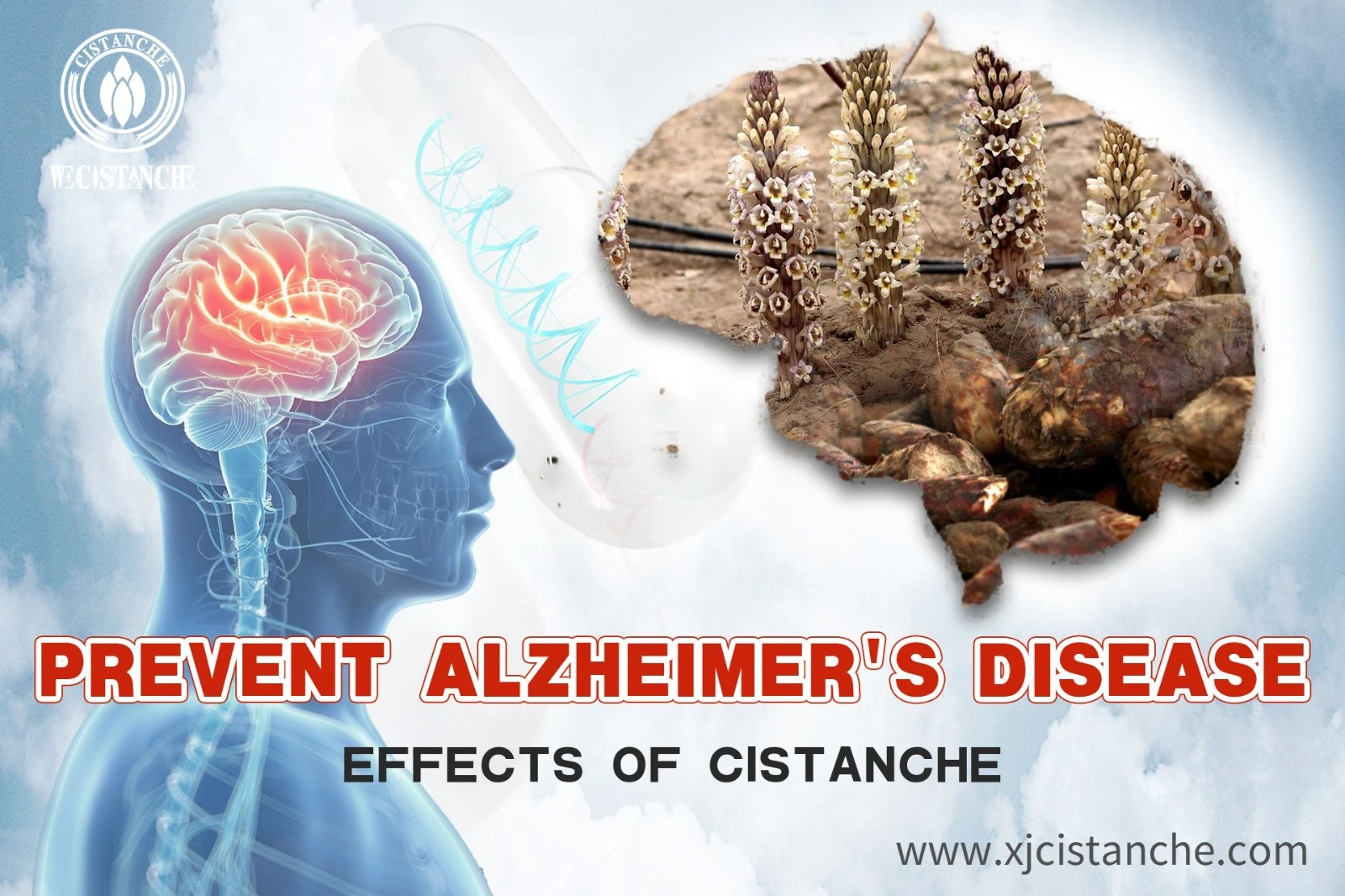
Cistanche is a type of herb that belongs to the Orobanchaceae family. It has been used in traditional Chinese medicine for thousands of years due to its various medicinal properties. Cistanche extract is a concentrated form of the herb that has been processed to isolate its active compounds. These compounds include glycosides, iridoids, lignans, and phenylethanoid glycosides. Cistanche has been found to have neuroprotective effects that can help prevent and treat Alzheimer's disease. Studies have shown that the herb can reduce neuroinflammation, improve cognitive function, and increase the production of acetylcholine – a neurotransmitter that is essential for healthy brain function.
References:
- Liu, X. et al. (2017). The Neuroprotective Effects of Herbs in Alzheimer's Disease. Oxidative Medicine and Cellular Longevity, 2017, 1-14.
- Shu, Z. et al. (2019). Cistanche Tubulosa Extract Alleviates Cognitive Deficits by Attenuating Oxidative Stress and Neuroinflammation in an Alzheimer's Disease Mouse Model. Journal of Alzheimer's Disease, 71(3), 833-846.
- Zhou, Y. et al. (2019). Effects of Cistanche Tubulosa Extract on Memory Impairment Induced by D-Galactose in Mice. Journal of Ethnopharmacology, 239, 111912.
for more information: Ali.ma@wecistanche.com